← Back to Blame-likes Compendium
Metal Garden is a blame-like that takes the megastructure premise and lets you shoot through it. You play a nomad wandering the far reaches of an overgrown megastructure built for forgotten purposes. When your mech breaks down, you're stranded beneath a concrete sky, left to navigate hostile wilds on foot.
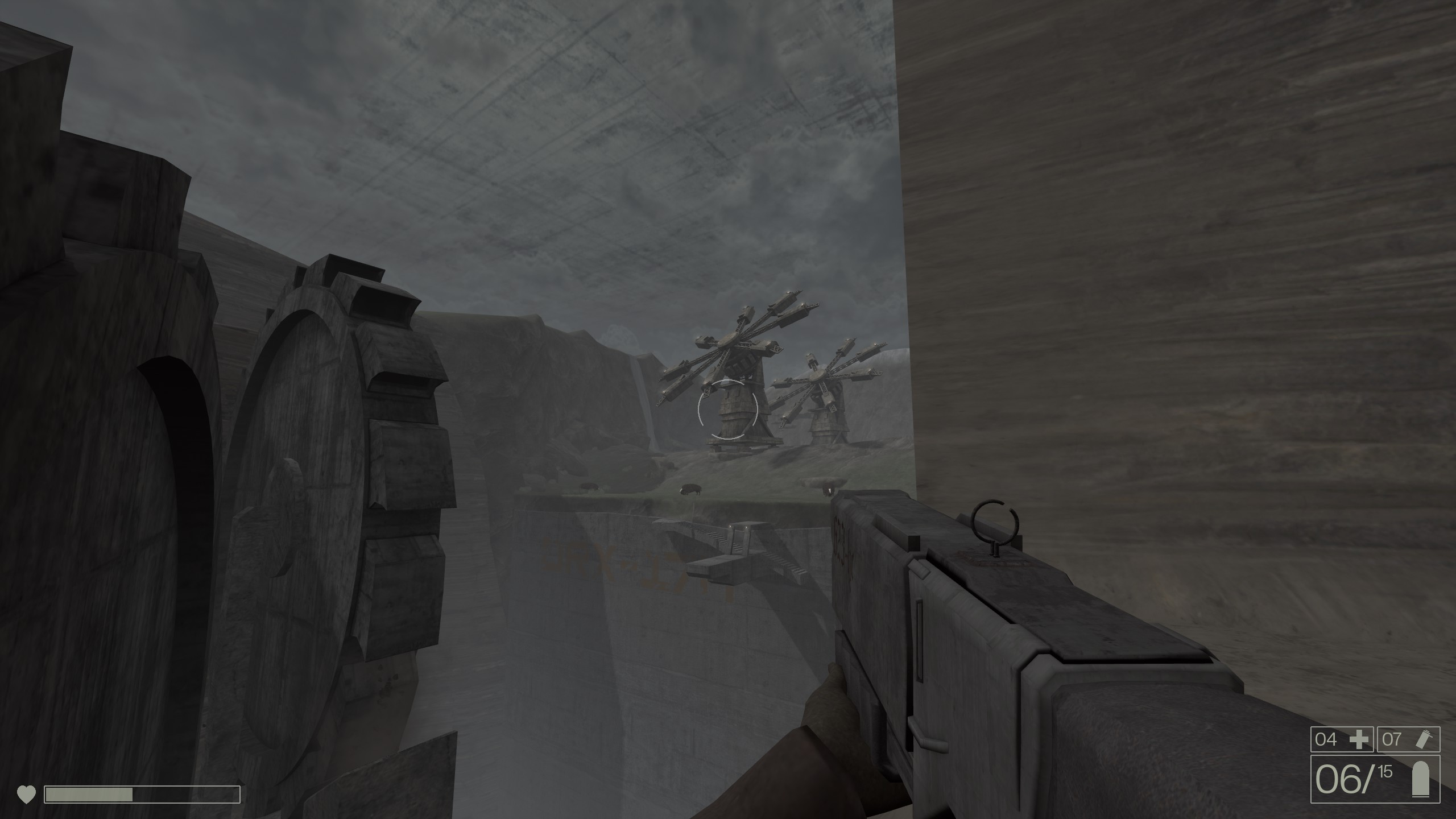
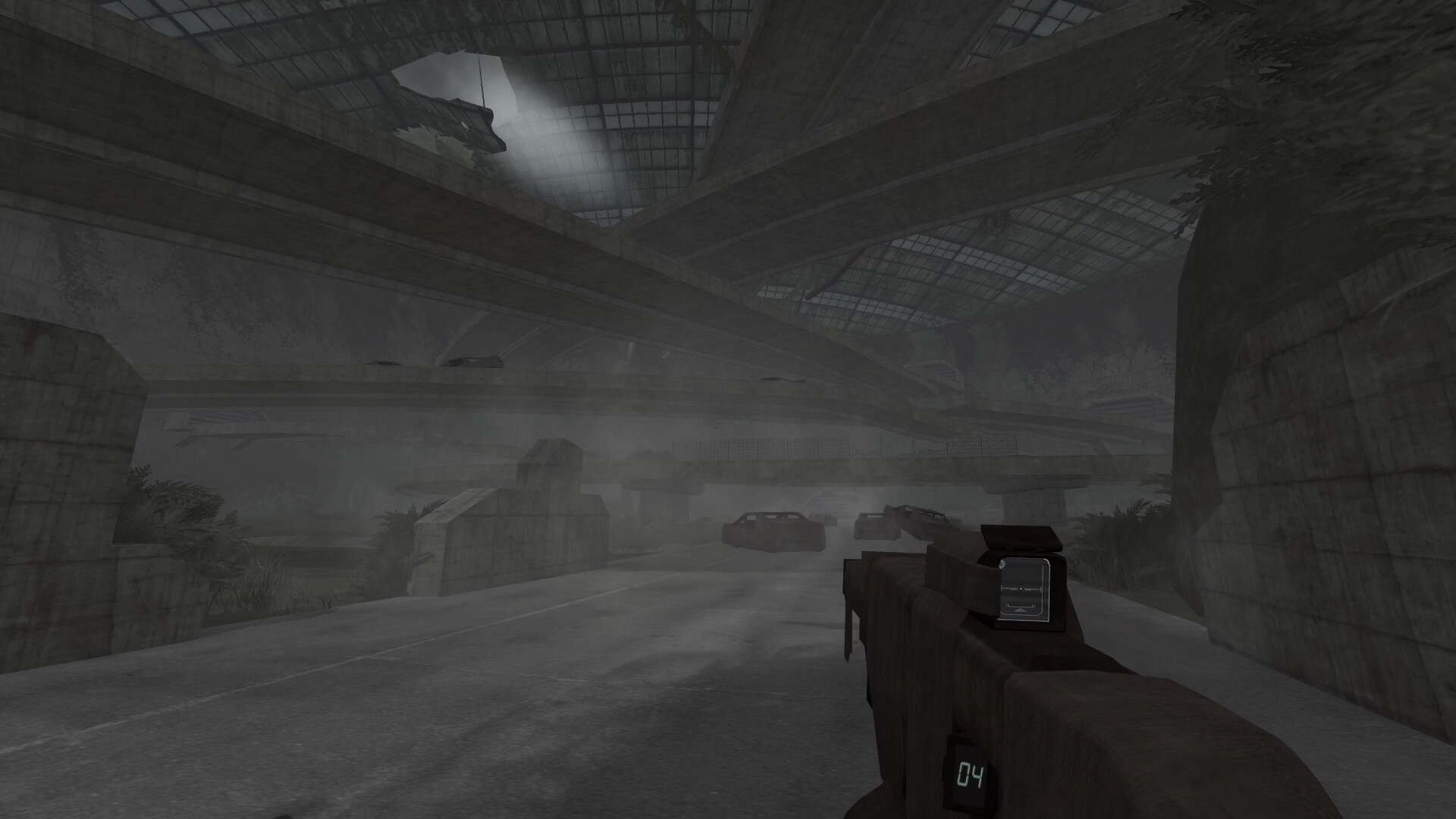
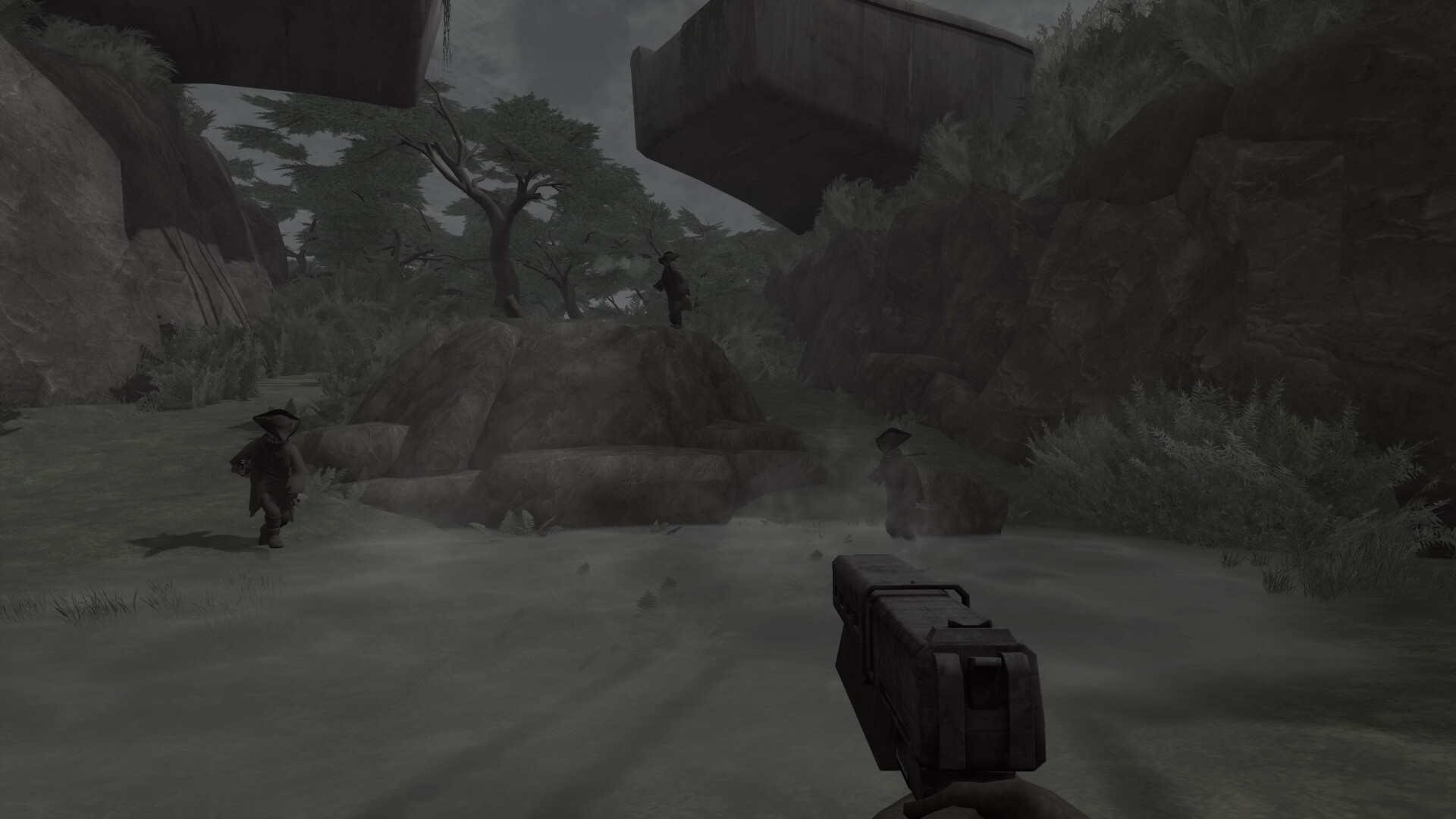
Where most blame-likes lean into sterile vastness, Metal Garden's corridors are choked with vegetation pushing through cracked concrete. The visual style channels mid-00s shooters—chunky geometry, baked lighting, Source engine VGUI and a color palette that oscillates between industrial grey and overgrown green. It works. The atmosphere sits in a sweet spot between nostalgic and alien, and the megastructure feels like it was once functional before something went wrong long ago.
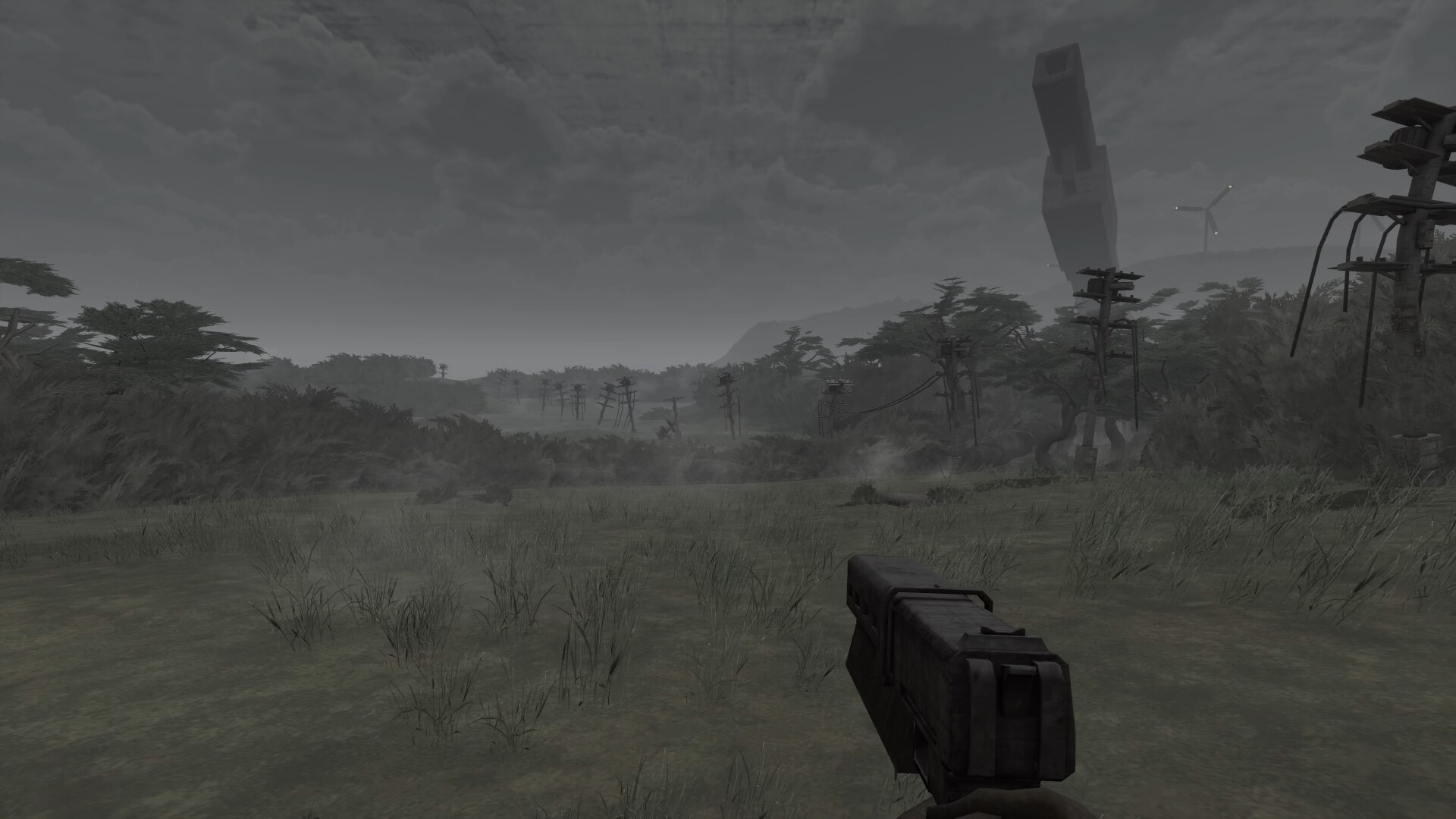
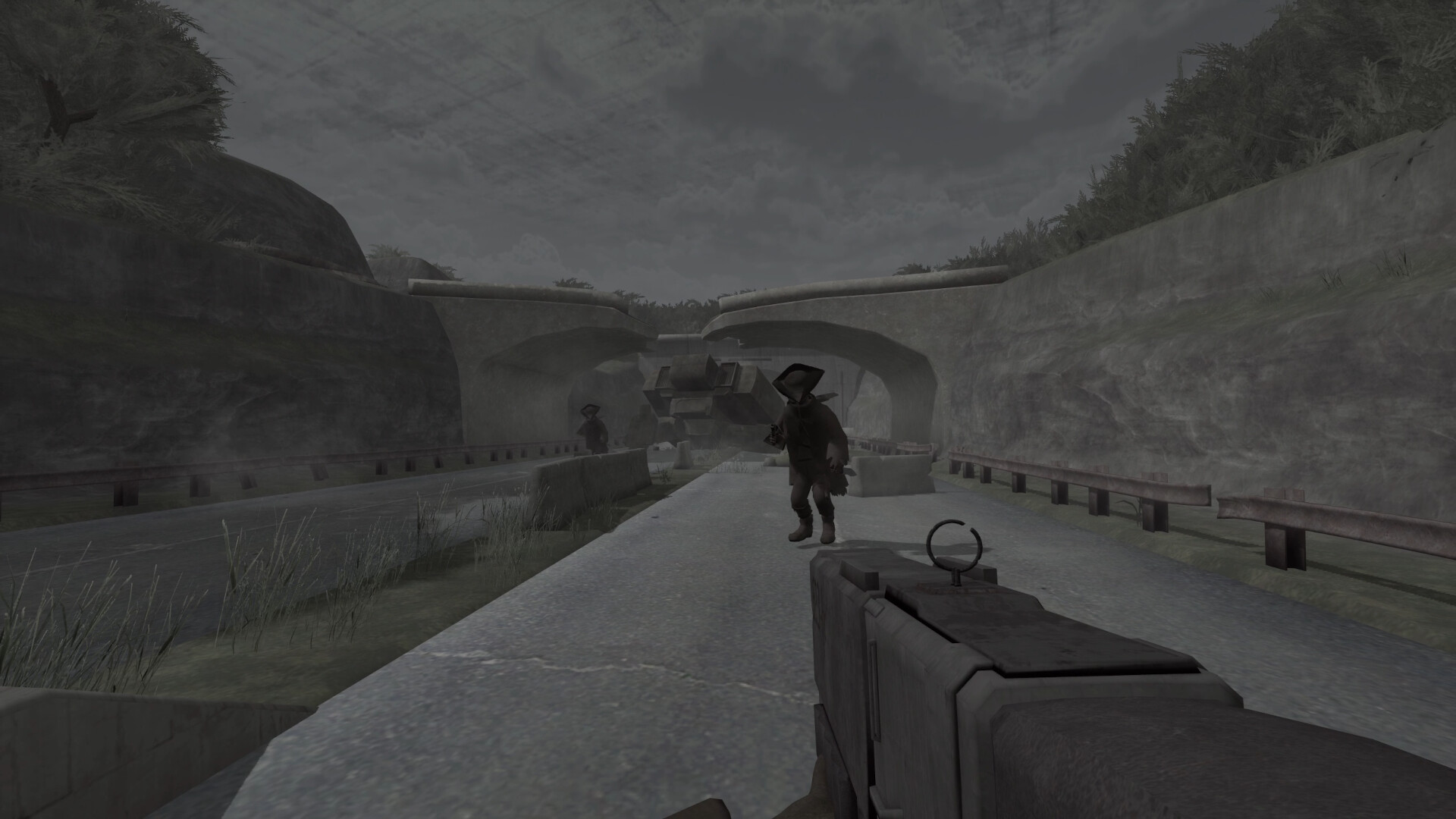
The core loop is a tight first-person shooter campaign clocking in at 1-3 hours. That brevity is a strength here and feels deliberate. The combat has an interesting injury system where individual body parts take damage beyond a standard health bar, forcing you to think about strategic healing rather than just trading hits.
Tinerasoft, the developer, also built in modifiers that let you tweak health, enemy randomization, and item placement—giving the short campaign some replay value without artificially padding it.
As a blame-like, Metal Garden earns its place. The megastructure is there, purpose-built and now purposeless, and the sense of wandering through something incomprehensibly larger than yourself is intact. The overgrown twist actually deepens the theme: this isn't just a structure that outgrew its builders, it's one that biology is actively digesting. Time has moved on twice over—first the builders vanished, then nature started erasing what they left.
The overwhelmingly positive reception on Steam (97% of 1,850 reviews, as of writing) speaks for itself. At under three hours and a few euros, Metal Garden is one of the most accessible entry points into the blame-like space—and one of the most convincing arguments that the megastructure doesn't have to be dead to feel vast and indifferent.