← Back to Blame-likes Compendium
ECHO by Ultra Ultra is one of the odd ones out in this compendium. It's not set in a megastructure in the traditional sense since there's no concrete, no rust, no industrial decay. Instead, the Palace is a vast, baroque labyrinth of gold filigree, marble floors, and art deco ornamentation that stretches beyond comprehension. It's opulent where BLAME! is austere. And yet the underlying logic is the same: an architecture that exists for itself, built by something long absent, operating on rules no one alive fully understands.
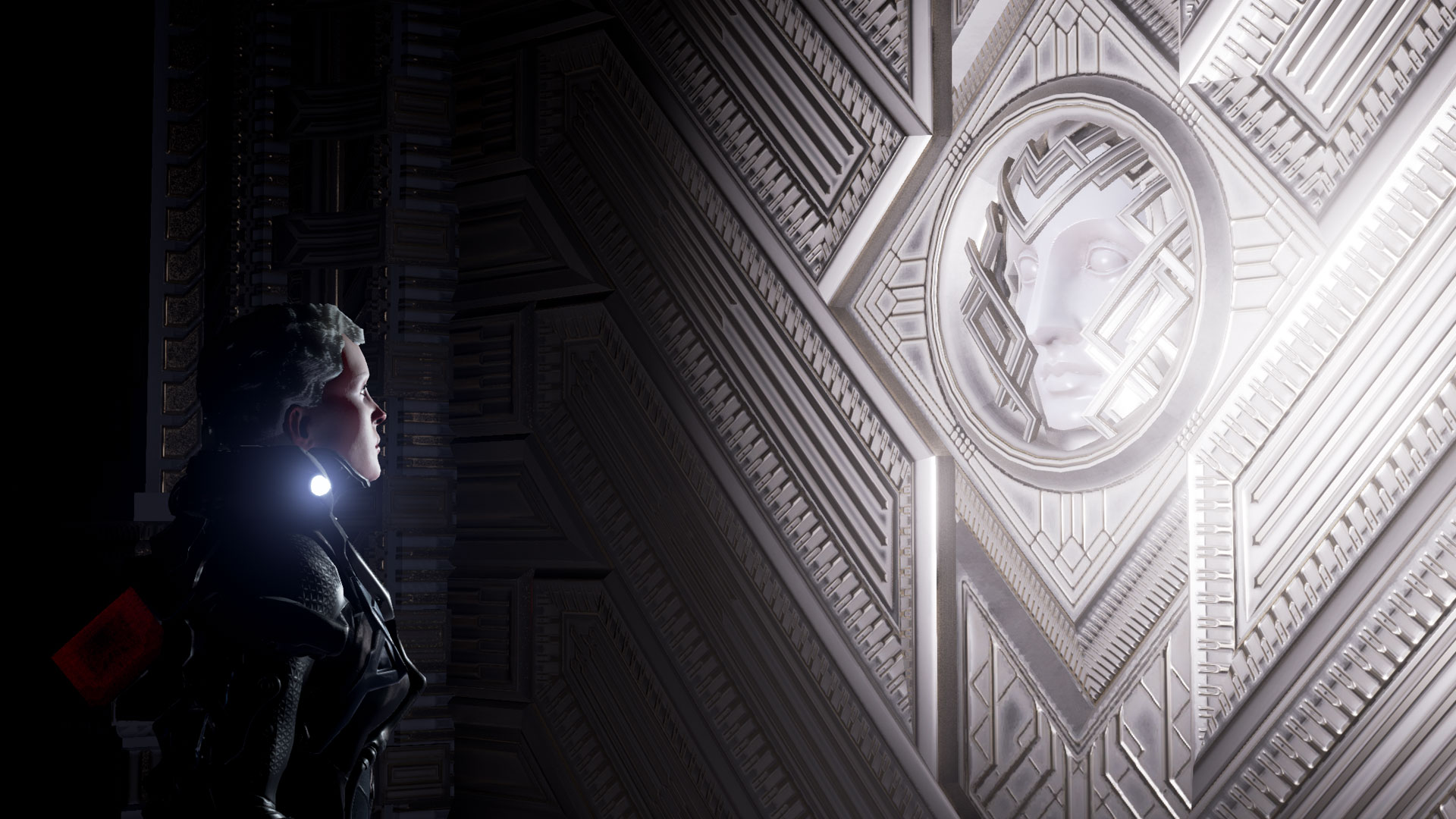
You play En, who wakes from a century of stasis to reach the Palace and use its ancient technology to bring someone back from the dead. The structure she enters is beautiful and hostile in equal measure, and the hostility comes from the game's central mechanic: the Palace watches you. It creates Echoes, which are copies of En that learn from her behavior. Sprint through a room, and next cycle the Echoes will sprint. Use stealth, and they'll learn to sneak. Shoot them, and they'll start shooting back.
The loop is built around blackouts. Periodically the Palace goes dark, resetting its observation. During blackouts you can act freely—run, kill, do whatever you need—knowing the Echoes won't learn from it. Then the lights come back on and everything you did in the previous lit phase is reflected back at you. It's a mechanic that turns the structure itself into the antagonist, which is about as blame-like as a concept can get without literally being the Megastructure's Safeguard system.
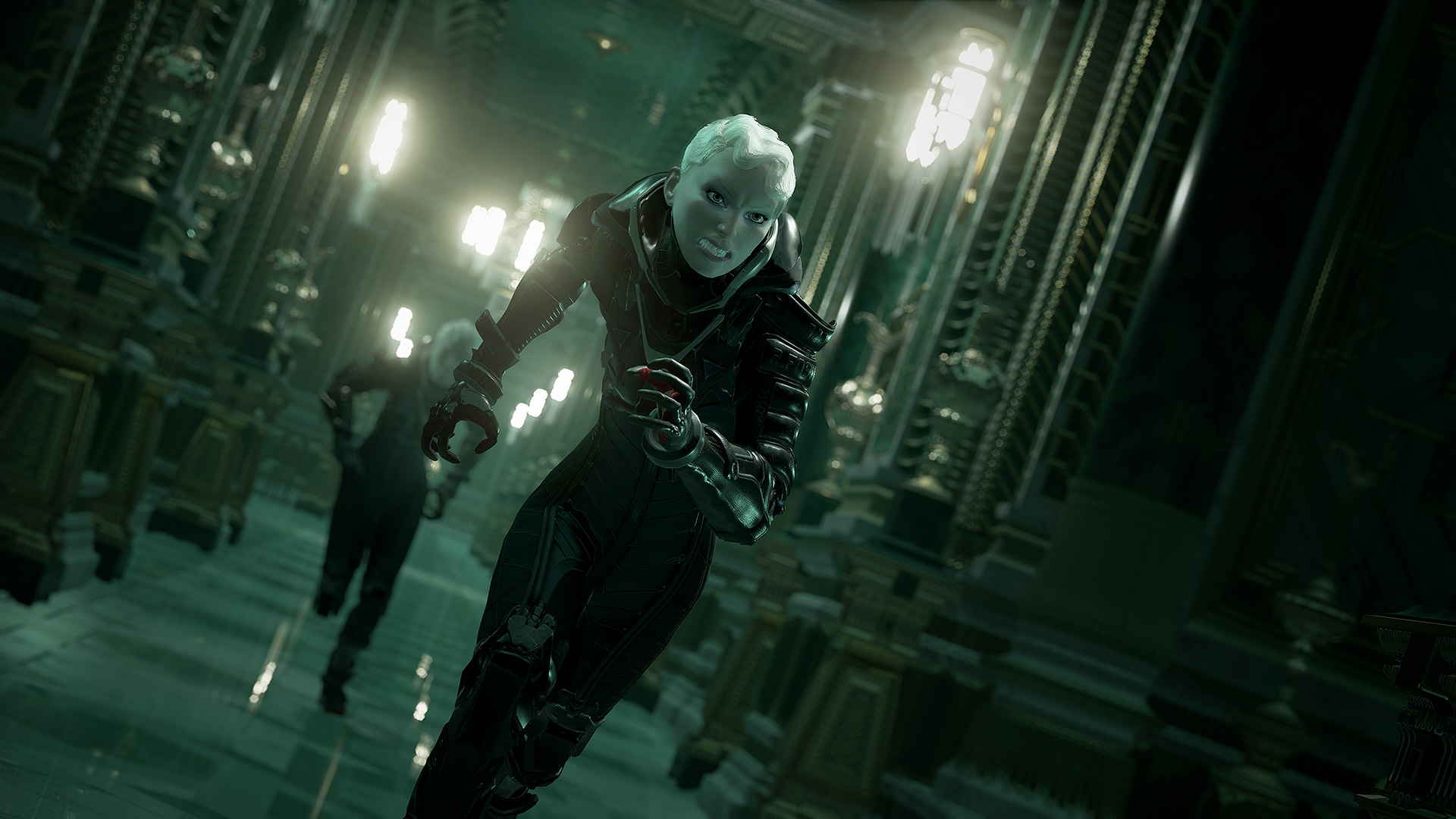
The Palace's visual design deserves attention. Every surface is intricately detailed withgilded columns, patterned floors, chandeliers repeating into infinity. The repetition is the point. Rooms blur into each other, hallways loop, and the ornamentation that initially reads as beautiful starts feeling oppressive once you realize it's the same patterns stamped endlessly in every direction. It's the Megastructure's infinite accretion translated into luxury instead of brutalism. The effect is disorienting in the same way Nihei's panels are: you lose sense of where you are because everywhere looks like everywhere else. It is as pretty as an indie game in 2017 could be.
The narrative between En and her ship AI London carries more emotional weight than most blame-likes attempt. Their dialogue unfolds the backstory gradually—who died, why En is here, what the Palace actually is—and it grounds the abstract horror of the space in something personal.
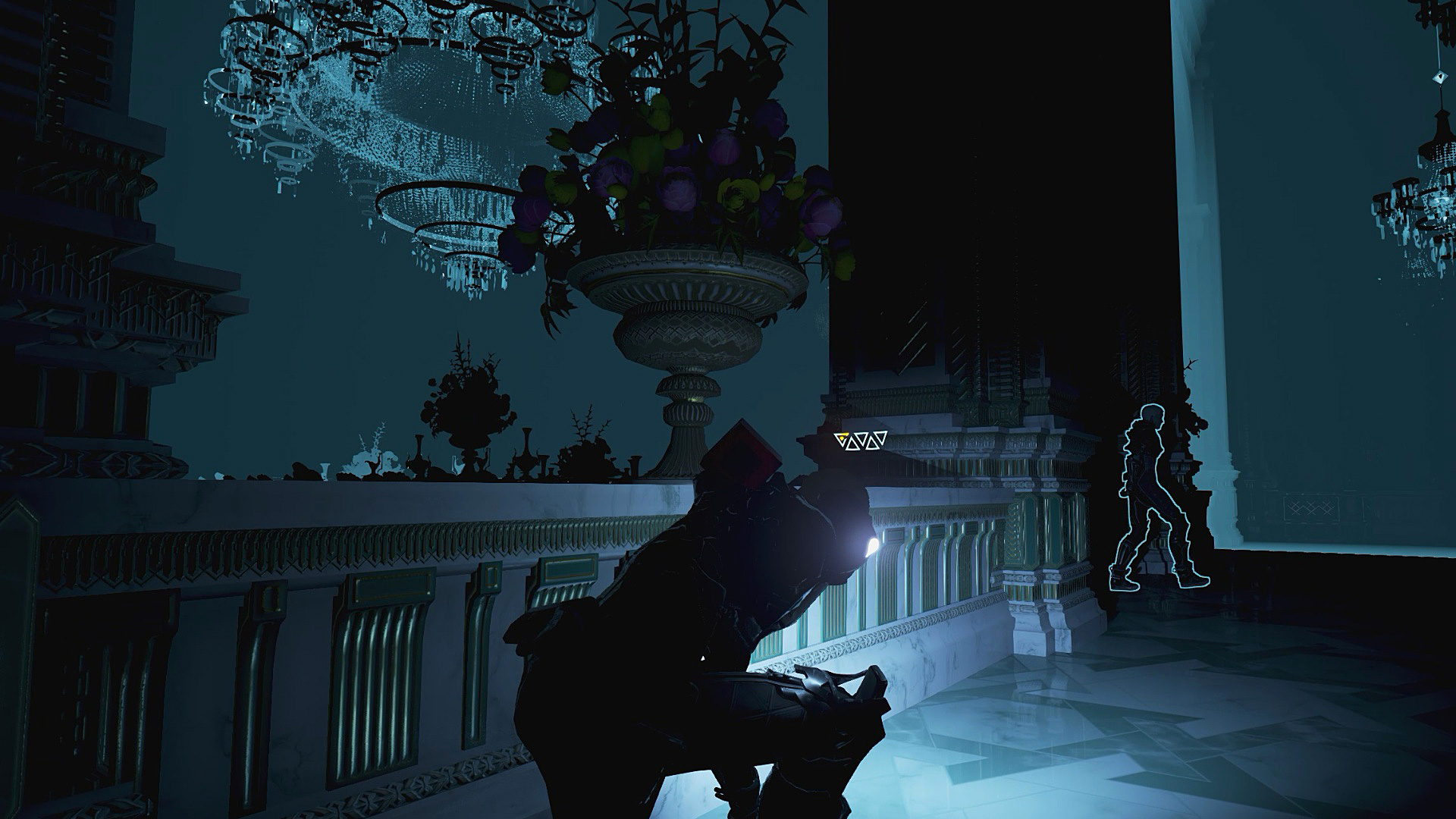
Where ECHO stumbles is repetition of a different kind. The blackout cycle is brilliant in concept but the pacing can drag, especially in later levels where you're running the same loop against increasingly capable Echoes in rooms that all look identical by design. The game's own aesthetic works against it.
Ultra Ultra, the Danish studio behind ECHO, unfortunately shut down after this single release. It's a loss. The idea of a structure that actively learns from and mirrors your behavior is one of the most mechanically interesting takes on the blame-like premise, and the Palace captures the core anxiety of Nihei's world: you are inside something vast, something aware, and it is shaping itself around you whether you like it or not.